



Sustainability now determines whether European data centres secure planning approval, grid access, financing and community acceptance.

The greatest carbon savings are achieved through the earliest design decisions, not through later certification.
Hyceon embeds environmental performance from the first master plan: energy and water are modelled before designs are fixed; heat reuse and renewables are integrated rather than appended; low-carbon materials considered from the outset; and certification and reporting aligned with the EU Taxonomy, CSRD and the European Green Deal.
This is Blue Future in practice, embedding sustainability from the earliest decisions to deliver lasting environmental and commercial value.
How we deliver it
Our Sustainability Integration Framework
Define ESG targets and net zero objectives
PUE, WUE, carbon and certification targets fixed as design requirements — measurable, contractual, not aspirational.
Assess energy, water, climate and environmental constraints
Site-specific modelling of energy supply, water resources, climate and climate-risk exposure to establish what performance the location can support.
Engineer the strategy in
Cooling typology, heat reuse, renewables integration and water stewardship engineered into the design with the MEP team — the environmental strategy is a design output, not an overlay.
Validate and certify
Modelled performance verified through design stages; BREEAM/LEED evidence and Taxonomy/CSRD documentation assembled as the project progresses.
What We Deliver
Net zero roadmapping & carbon strategy

Whole-life carbon assessment and reduction pathways covering embodied and operational emissions.
Energy modelling

Predictive energy-performance modelling from concept design through operation, informing every system choice.
PUE, CUE & WUE optimisation

Design optimisation of power, carbon and water usage effectiveness against targeted benchmarks.
Building physics & energy certification

Building-physics and constructional energy-savings consulting, with energy-performance certification (for example GEG in Germany).
Renewable integration & waste-heat recovery
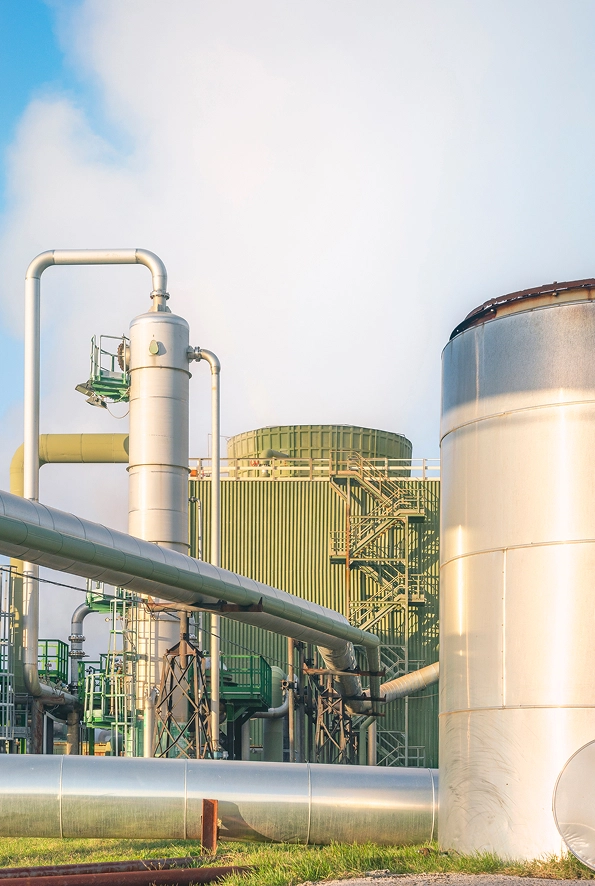
On-site and contracted renewables strategy plus heat-reuse systems that turn rejected heat into community and commercial value.
Water stewardship & efficiency

Water-conscious cooling selection, reuse and discharge strategies aligned with local resources and approvals.
BREEAM, LEED & EN 50600 certification

Assessment management and evidence coordination through to certification.
EU Taxonomy, CSRD & ESG reporting

Taxonomy-alignment assessment, CSRD-ready disclosure support, ESG due diligence, climate risk analysis and project sustainability risk analysis for investors and operators.

Why Hyceon?
Built in from site selection
Efficiency, heat reuse and water strategy influence where and what we build — the cheapest carbon savings are made before design begins.
One team, one strategy
Sustainability engineered alongside MEP and architecture — ESG targets and system design are the same conversation, not competing ones.
Compliance that finances projects
We build the EU Taxonomy and CSRD evidence base that investors and lenders increasingly require.
1
Frequently Asked Questions
Efficiency is set by early decisions: climate-appropriate cooling typology, electrical architecture that minimises conversion losses, compact massing, and controls that optimise plant in operation. Hyceon models energy performance from concept stage against targeted PUE benchmarks of 1.2 or lower, so efficiency is a verified design property, not a marketing claim.
The EU Taxonomy defines when data centre activities count as environmentally sustainable — affecting financing terms and investor eligibility — while CSRD mandates audited sustainability disclosure for large companies operating in the EU. Both convert environmental performance into financial and legal facts, which is why Taxonomy-aligned design evidence now matters from day one.
Data centres reject nearly all consumed energy as heat. Heat-recovery systems capture it from any cooling source — liquid-cooled plant offers the highest-value return temperatures — and export it to district heating networks, neighbouring buildings or industrial processes. Beyond revenue and carbon benefits, credible heat reuse is increasingly decisive in winning European planning approvals.
BREEAM and LEED are the most common building-sustainability certifications, applied with data-centre-specific criteria; EN 50600 addresses data centre design including energy management, and the EU Code of Conduct recognises operational efficiency practice.
Efficiency measures often pay back rapidly through operating savings, and some — compact design, right-sized plant — reduce capital cost outright. The larger financial case is access: sustainable designs move through approval faster, finance on better terms under Taxonomy alignment, and earn stronger community support. Whole-life cost, not construction cost, is the honest comparison.
Yes. Energy modelling, certification management, EU Taxonomy assessment and net zero roadmapping apply to any mission-critical or technical building — higher education, healthcare, laboratories and other resilience-critical facilities across our European markets.