

Delivering resilient, efficient facilities requires every engineering discipline to work as one.
Hyceon develops fully integrated mechanical, electrical, civil and structural engineering solutions that translate project requirements into coordinated, buildable systems.
From substation and grid connection design to cooling, power distribution and resilience planning, our multidisciplinary team engineers every system as part of a single, integrated solution. This coordinated approach delivers demanding performance targets, including PUE benchmarks of 1.2 or lower, while meeting recognised standards such as EN 50600, Uptime Institute Tier requirements and ASHRAE guidance.
The result is a construction-ready engineering design that delivers the performance, reliability and operational certainty clients expect.
How we deliver it
Our 4-Step Engineering Framework
Understand the requirements
Electrical, mechanical, structural and resilience requirements fixed against capacity, density, tier and efficiency targets (PUE and WUE).
Develop the integrated system strategy
Electrical architecture, cooling typology, structure and utility routing developed together — because in a data centre, every system shapes every other.
Coordinate across disciplines
Detailed design in a federated BIM environment with architecture and sustainability, resolving interfaces before they reach site.
Confirm construction readiness
Construction-ready documentation, technical review of contractor proposals and engineering support through delivery to energisation.
What We Deliver
Mechanical systems
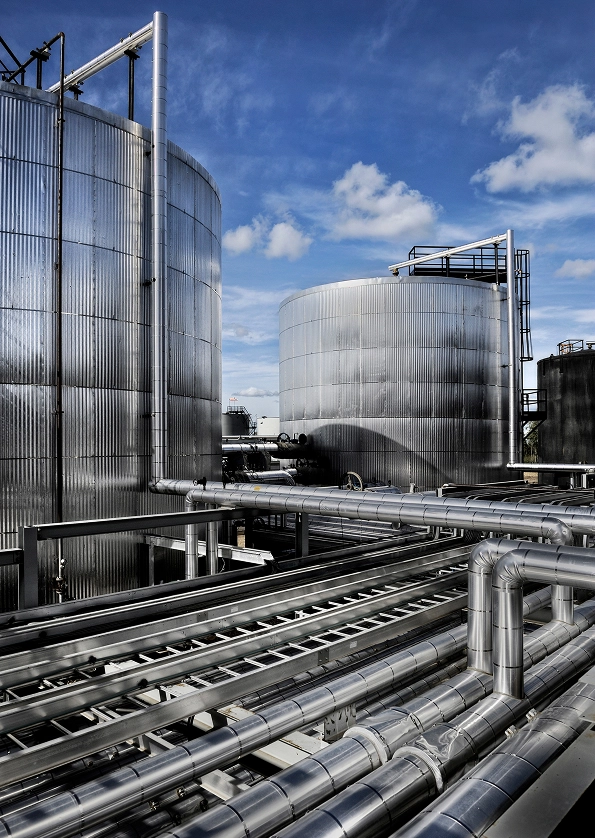
HVAC, air management and high-density liquid cooling design, from hybrid air-liquid halls to direct-to-chip typologies.
Electrical systems

MV/LV distribution, UPS and emergency generation engineered for continuous uptime and concurrent maintainability.
Substations & grid connections
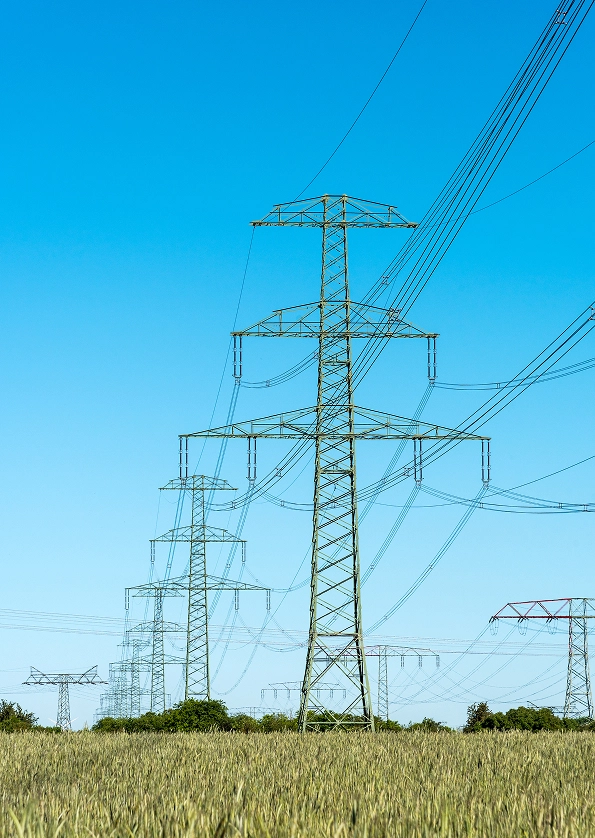
HV substation design and grid-connection engineering — the interface that decides project schedules.
Civil & structural engineering
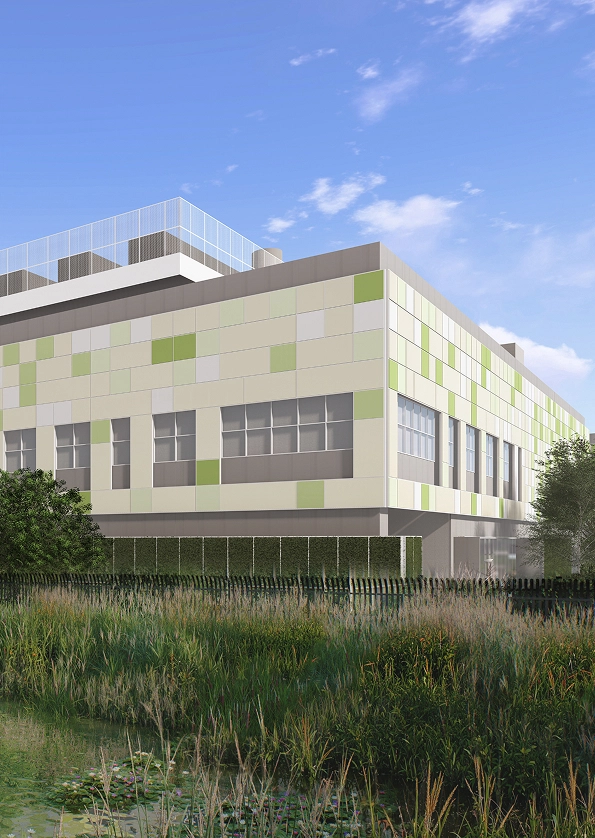
Foundations, structures and site infrastructure for fast-track, phased construction and heavy, dense halls.
Water & plumbing systems
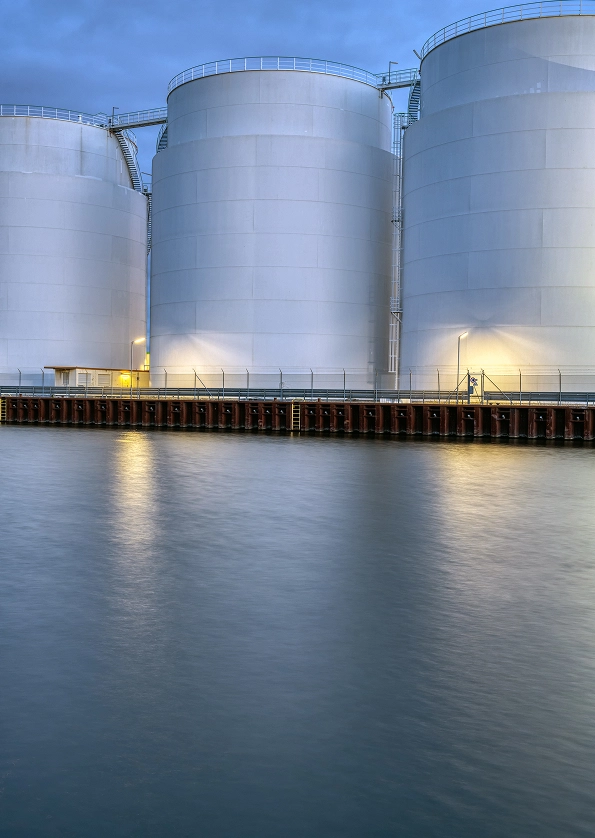
Water supply, treatment, drainage and discharge engineering aligned with cooling strategy and environmental permits.
Fire protection & life safety
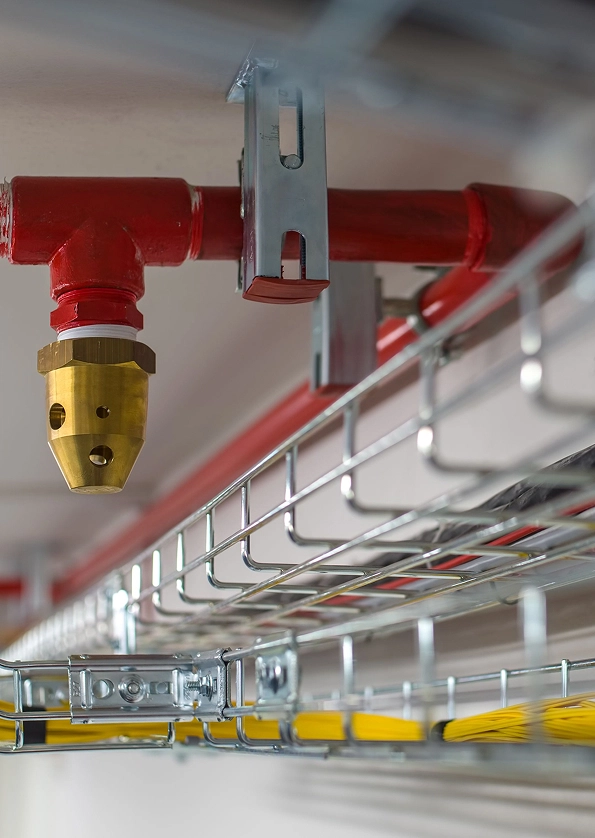
Detection, suppression and life-safety design meeting insurer, authority and operator requirements.
BMS & controls integration
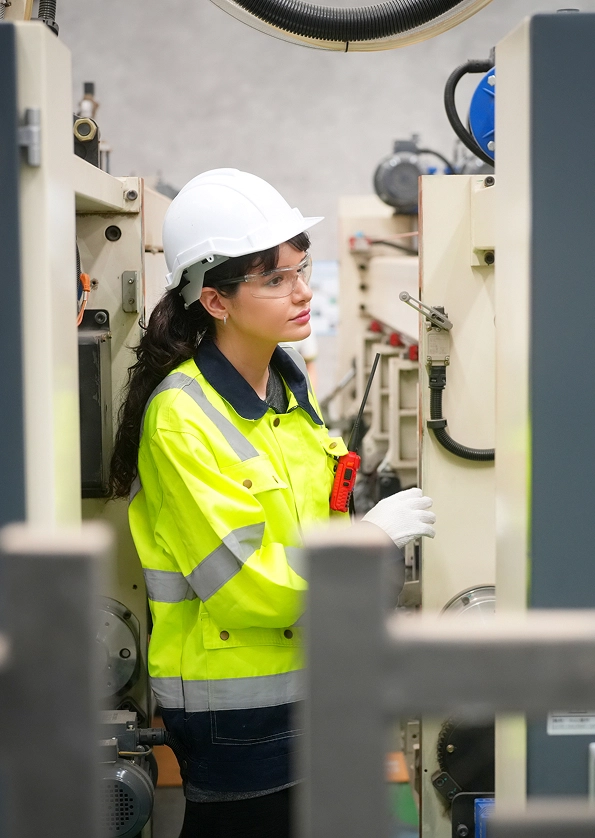
Building management, monitoring and controls architecture for measurable, optimisable operations.

Why Hyceon?
Integrated system engineering
One team across MEP, civil, structural and substation design — interfaces engineered within the team, not negotiated between consultants.
Standards-anchored resilience
EN 50600, Uptime Institute Tier and ASHRAE compliance with targeted PUE of 1.2 or lower — commitments hyperscaler procurement can verify.
Design authority alongside architecture
Engineering developed within Hyceon’s interface-free package — one accountable design lead across the whole project.
10
Frequently Asked Questions

Availability lives in the electrical architecture: redundancy topology, UPS strategy, distribution design and emergency generation determine whether a facility meets its uptime commitments. Electrical design also fixes efficiency losses and constrains future density — decisions made here are the hardest to change later.
Liquid cooling shifts heat rejection from room air to the rack or chip, enabling densities far beyond air-cooled limits. It transforms mechanical design, structural loading, electrical layout and white-space planning — and it makes waste-heat recovery far more practical, because return temperatures are higher.
The most-referenced frameworks are EN 50600 (European data centre design standard), Uptime Institute Tier classifications for resilience, and ASHRAE guidance for thermal environments and ventilation. Hyperscalers overlay their own technical requirements; Hyceon designs to verifiable compliance with all of these, with targeted PUE benchmarks of 1.2 or lower.
Grid connection is now the longest single-item lead time on most European projects — sometimes years — and the constraint that fixes energisation. Designing HV substations and grid connections in-house lets Hyceon shape the connection pathway alongside the permitting and design workstreams, rather than inheriting whatever the utility delivers.
AI workloads concentrate extreme power density — tens of kilowatts and beyond per rack — demanding liquid cooling, heavier electrical infrastructure, reinforced structures and new fire and controls strategies. Cluster-scale deployment also changes phasing: capacity arrives in large blocks, so grid strategy and plant modularity must match.
Yes. The same engineering disciplines and standards depth apply to other mission-critical projects — higher education research infrastructure, healthcare, laboratories and industrial resilience-critical facilities across our European markets.