

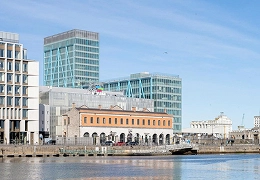

Our broader architectural heritage continues to shape the way we design data centres today
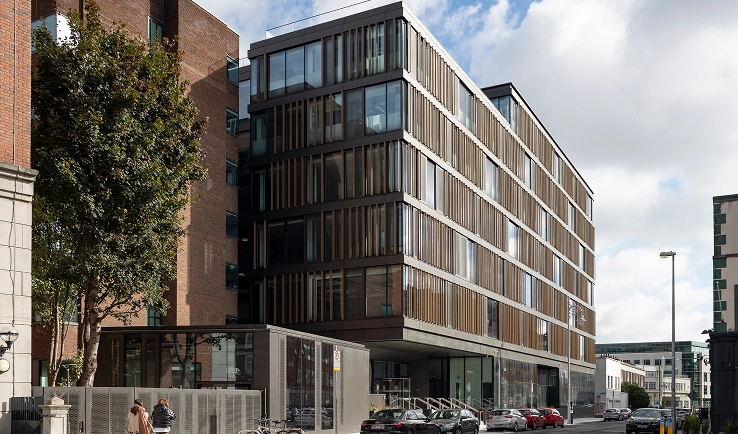
Our broader architectural heritage continues to shape the way we design data centres today, balancing craft and considered, context-responsive design with the technical rigour demanded by complex infrastructure.
Across 70 years of combined experience delivering mission-critical, industrial, commercial and workplace, Hyceon has developed the disciplines that underpin exceptional architecture: maximising site potential, integrating building services seamlessly and creating buildings that perform under pressure.
Alongside our specialist data centre work, we continue to deliver strategic non-data centre projects that strengthen our expertise and inform our approach.
Sub-sectors we serve
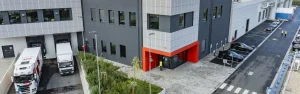
High-performance industrial and logistics facilities, including warehouses, manufacturing and distribution, where structure, services and site logistics determine operational value.
Challenges in this sub-sector
- Density on the footprint — Robotics, automation and cold storage pushing structural and services demand well beyond conventional warehouse design.
- Speed to operation — Client timelines measured in months rather thanyears, with planning, procurement and construction on a single critical path.
- Sustainability under scrutiny — EU Taxonomy alignment, embodied carbon and building certifications now routine tender requirements from institutional occupiers.

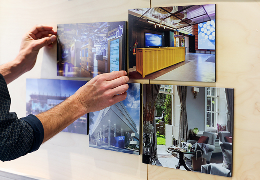
Architecture that helps developers and investors unlock the full potential of new and existing commercial assets, including offices, hotels, high-rise and mixed-use developments.
Challenges in this sub-sector
- Long-term performance — Sustainable buildings that respond to evolving occupier expectations, ESG requirements and market demands.
- Complex urban development — High-rise, refurbishment and cut-and-carve projects delivered within constrained sites while balancing programme, heritage and planning considerations.
- Creating better places — Commercial architecture that strengthens neighbourhoods, enhances the public realm and delivers lasting value for clients, communities and cities.

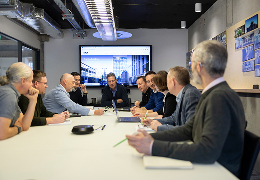
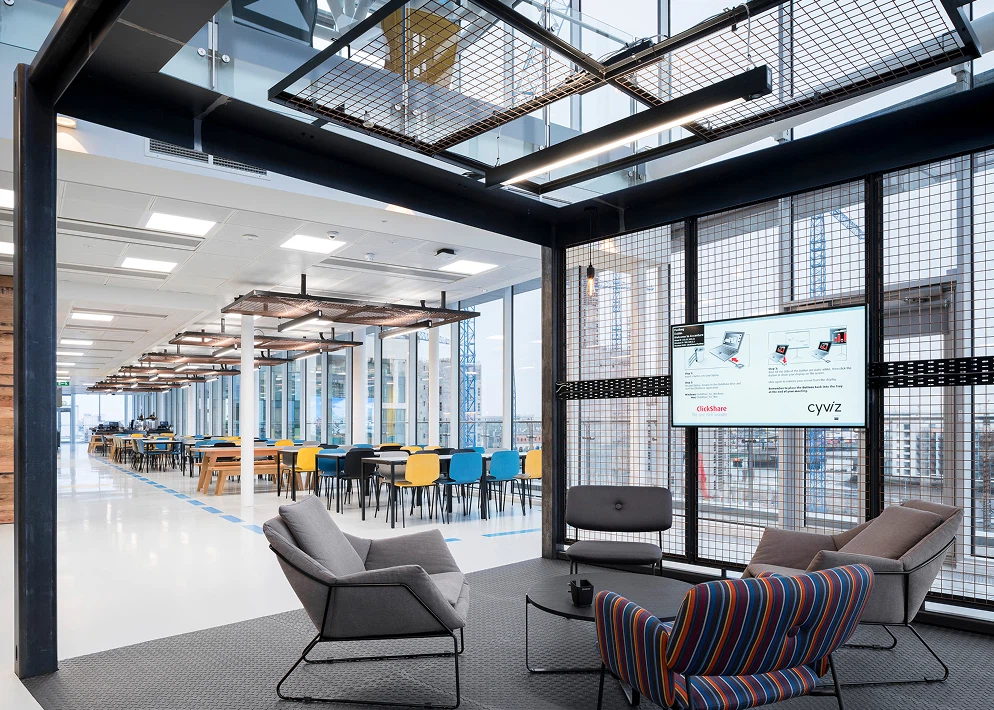
Workplace environments where architecture, technology and people come together, demonstrating the integrated design approach that continues to shape our specialist work.
Challenges in this subsector:
- Changing workplace expectations — Creating destinations that foster collaboration, wellbeing and employee experience in a world where people have greater choice about where they work.
- Future-proofing workplaces — Flexible planning, adaptable services and intelligent infrastructure that evolve with changing business needs.
- Creating lasting value — Designing workplaces that remain relevant, efficient and attractive as organisations, technologies and patterns of work continue to evolve.
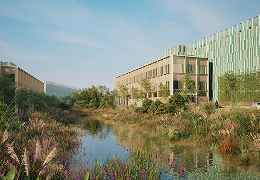
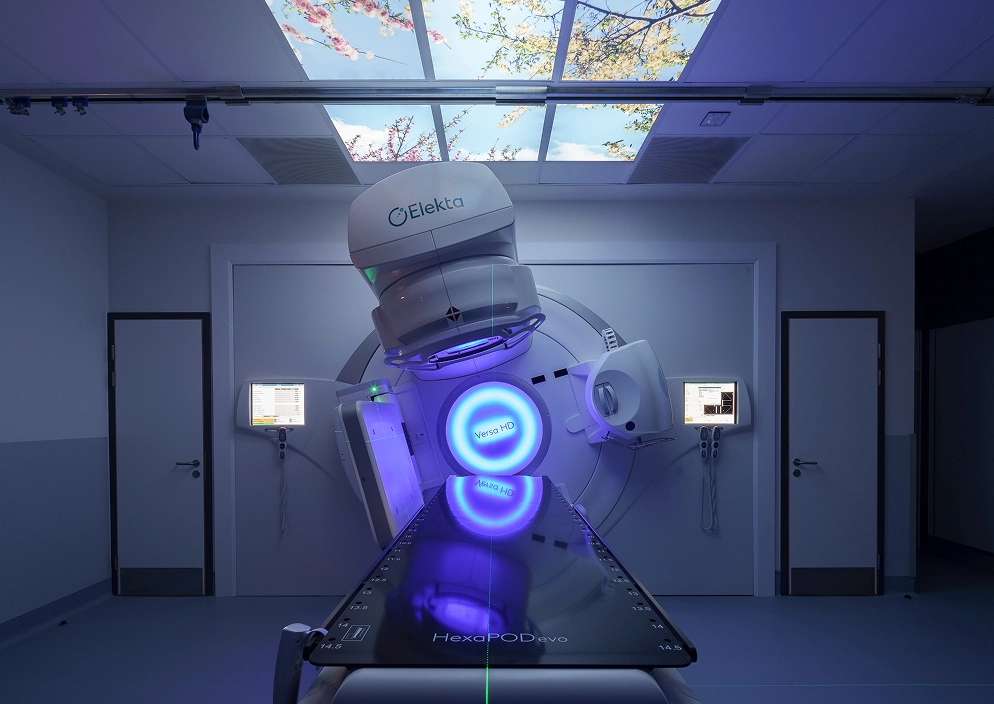
Healthcare, pharmaceutical and other resilience-critical facilities where operational continuity, safety and technical integration define the design brief. These are environments where complex building services, compliance and long-term adaptability are fundamental to successful outcomes.
Challenges in this sub-sector
- Operational resilience — Services architectures designed for continuous operation, redundancy and safe maintenance, applying the same disciplines that underpin mission-critical environments.
- Regulation and compliance — Sector-specific standards, health and safety requirements and governance from concept through operation.
- Adaptability — Facilities designed to evolve alongside changing clinical practice, pharmaceutical processes and technology, with flexible planning and replaceable systems.
Talk to us about your project
Frequently Asked Questions

Yes. Data centres are our primary focus, and the practice’s direction is strongly towards them, but we continue to deliver strategic non-data-centre projects — logistics, commercial, mission-critical and other resilience-critical work — across our European markets, where the fit is strong.
Beyond data centres, our current focus areas are logistics and industrial, commercial and offices, and mission-critical facilities including healthcare, laboratories and other resilience-critical buildings. All benefit from the disciplines mission-critical design has taught us.
Because that heritage is what makes our data centre work distinctive — density, services integration, buildability, resilience are all disciplines learned across other building types. Strategic non-DC work keeps those muscles alive; it also serves long-standing client relationships we value.
Seventy years of designing buildings that must work under pressure — laboratories, industrial facilities, hospitals, pharmaceutical buildings, high-services offices. When data centres emerged as a discrete building type, that experience made the transition natural: the disciplines were already there.
Yes — across every sub-sector. Retrofit and refurbishment are increasingly the honest answer to sustainability and value, extending the life of good buildings, raising their performance, and adapting them to modern use. Our retrofit and densification discipline learned on data centres transfers directly.
The question we ask internally: is this strategic — for the client, for the market, or for the practice? If yes, we engage. The strongest fits are buildings with technical, resilience or mission-critical dimensions where our data centre disciplines add distinct value, but the door is open to conversation.