



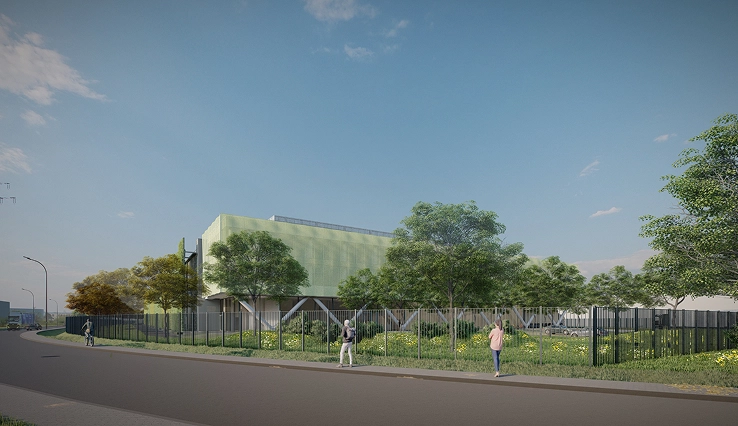
Colocation lives on time-to-revenue and flexibility.
Colocation lives on time-to-revenue and flexibility: capacity must open in sellable phases, serve tenants you haven’t met yet, and adapt as densities climb.
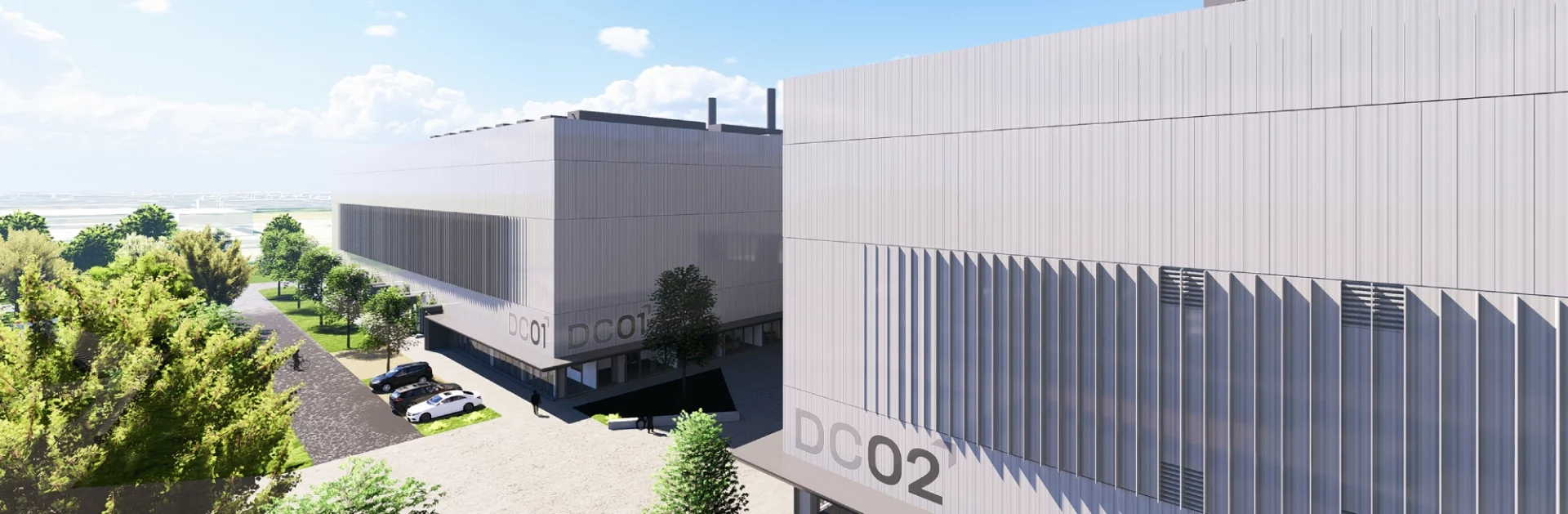
Hyceon responds to those commercial priorities with scalable, modular buildings that release capital in stages, MEP engineered for a wide tenant density range with a clear path to liquid cooling, and the certifications that anchor tenant confidence. Existing facilities are part of the story too: we retrofit and densify live sites to capture the AI opportunity.
Challenges colocation operators face today
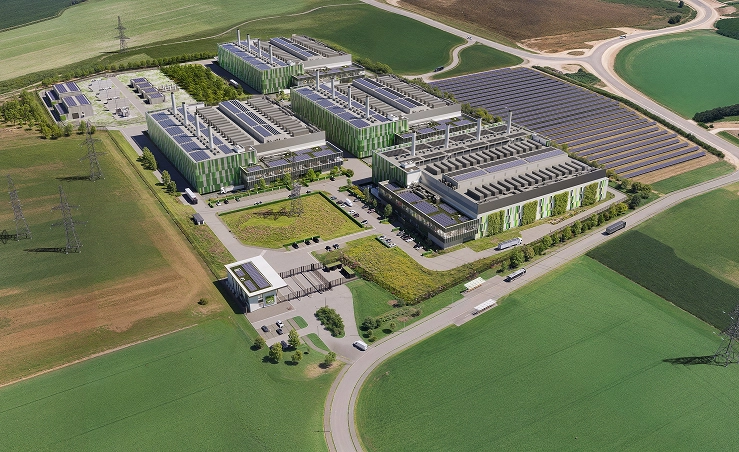
Time-to-revenue vs. capital exposure
Phasing tension: capital committed early, capacity absorbed unevenly, and the wrong phasing decision holds capex hostage to demand that hasn’t arrived yet.
Selling to tenants you haven’t met
Enterprise tenants and AI operators want very different halls, and the successful facility signs both — which means designing meaningful flexibility, not average flexibility.
Certifications and ESG scrutiny
BREEAM/LEED, EN 50600, EU Taxonomy alignment and tenant ESG reporting now shape leasing conversations before technical fit does — sustainability is a sales asset, not a compliance line.
Density retrofits on live sites
Existing halls under pressure to host higher-density workloads without downtime — structural, electrical and cooling constraints all resolved without disturbing revenue-earning tenants.
Priority Services for Colocation Operators

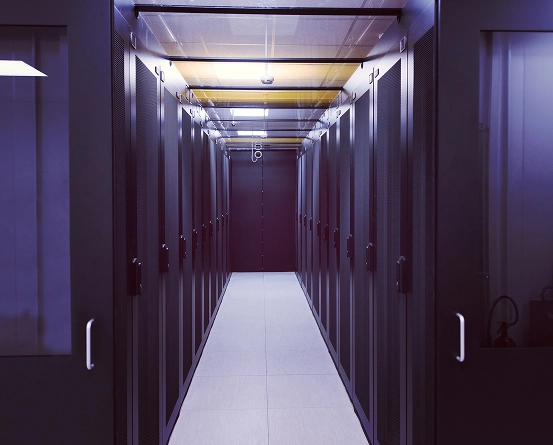
AI-ready halls sell first
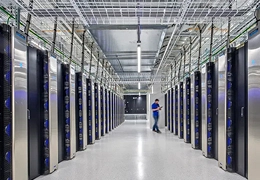
AI-ready capacity now transacts at premium rates and lets facilities. Every colocation design we deliver, whether new-build or retrofit, is engineered for liquid-cooling adoption, GPU-cluster power blocks and future densification, so your halls stay leasable across at least two generations of tenant demand.
70
Bring Your Next Phase to Market Sooner
Frequently Asked Questions

Phasing aligns capital outlay with sales: shells, plant and fit-out are staged so each tranche of capacity earns revenue before the next is fully funded. Done well, shared infrastructure sized once, buildings released in modules, phasing shortens time-to-revenue without paying twice for plant.
By engineering flexibility as a specification: a defined density range per hall, electrical and cooling architectures that subdivide cleanly, and structural and distribution allowances for liquid cooling. The aim is a facility that can sign an enterprise tenant today and an AI tenant next year in the same building.
Often, yes. Retrofit and densification assessments test structure, power headroom, cooling topology and space for liquid-cooling distribution. Many facilities can host high-density zones without full rebuilds, and a verified densification plan adds asset value even before the work is done.
BREEAM or LEED for building sustainability, EN 50600 alignment for design quality, and Uptime Institute Tier classification for resilience are the most commonly requested. Increasingly, tenants’ own ESG reporting also requires the operator’s energy, water and carbon data, so certification and disclosure readiness are becoming sales assets.
Sites with permits and power secured, modular repeatable design, long-lead plant procured early, and phased commissioning that opens capacity hall by hall. Most delay lives in approvals and grid connection rather than construction, which is why permitting-led development wins.
Directly: efficient facilities cost less to run and price more competitively; certified, Taxonomy-aligned assets finance on better terms and attract enterprise tenants with their own net zero commitments; and heat-reuse or renewable strategies strengthen both approvals and community standing. Sustainability has become a revenue variable.